- He hated Moby Dick, which is probably second on my list of least favorite books of all time (right behind The Scarlet Letter). He describes it as a 500-page encyclopedia entry on whaling, which is about right. Except the encyclopedia entry might actually be informative.
- Somewhat related to the first point, his list is based on personal enjoyment and doesn't over-rate scholarly consensus. Books like Moby Dick make it onto top 100 lists because people who have degrees from Ivy League schools and talk with British accents think that they should. Those lists often contain enjoyable books, but they also often contain "respected" books that have been historically labeled as "literature" and so any list excluding them is invalid. I disagree wholeheartedly, and it seems Law does as well.
- He also dislikes most Dickens, which appeals to me, since I really couldn't stand Great Expectations (probably in the top 5 of my least favorite books).
- I have read exactly 14 of the books on his list, and liked all but one of them (I'll list them below). This is an important point since all but three of these books were read as homework of some kind, so I was pre-disposed to not liking them.
- The list contains a wide variety of genres (which isn't necessarily exclusive to his list), and one of the main reasons I'm undertaking this project is because I want to expand my reading horizons.
- He lists a number of books from other cultures, which is especially appealing, since that is an area I have largely ignored, other than the African American literature class I took in college, which I really enjoyed.
Some things I have reservations about:
- He lists a number of Jane Austen and Bronte sisters books, which worries me. Then again, I've never read through a whole book of theirs (I believe I started Wuthering Heights but never got very far), so maybe I'm mislabeling those books as "chick books" and I just need to get over myself. Still, I'm worried.
- Law has a degree from Harvard himself, so when he said in a different blog posting that he generally dislikes books where the prose is too thick to enjoy the story (I'm paraphrasing), his version of "thick prose" may be different from mine. We'll see.
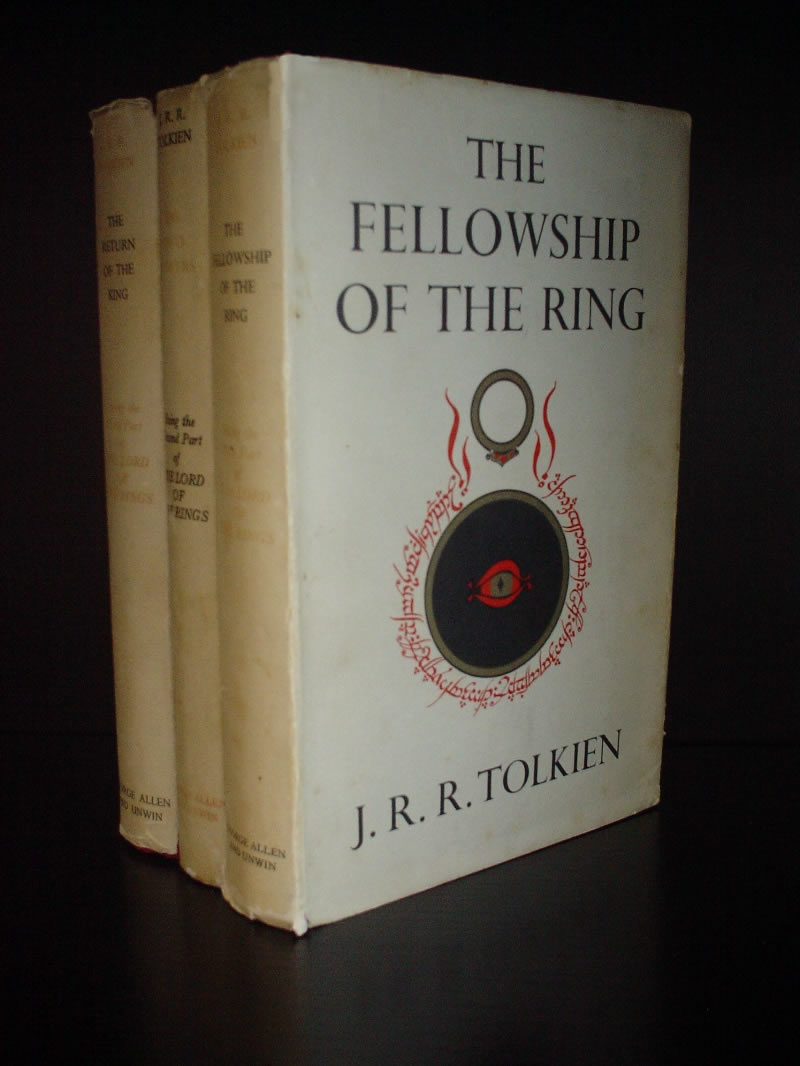
- He lists The Lord of the Rings at number 41. Any list of great books that doesn't have this on there is automatically out for me, so at least it's there. But 41? Seems a little low.
Regardless of those concerns, I'm really excited about this. It's been awhile since I read true literature, and I'm starving for new books to read, so this should be fun. I'm not doing this to say I did it (well, not really, but I probably won't hesitate to tell people that I did), and I'm certainly not going to take a scholarly, how-can-I-dissect-the-literary-techniques approach to reading these novels. I expect to learn some things on the way, but that's not the ultimate goal. Really I just want to some good books to read.
Here are the entries on his list that I've already read (but will read again) and a few comments about some of them.
98. The Man Who Was Thursday by GK Chesterton: I did a book report on this one my junior year of high school and remember enjoying the story, even though it was a bit strange. I later found out that the author wrote a number of allegorically Christian novels, of which this contains some elements, so I may have to check out more by Chesterton.
96. A Room with a View by EM Forster: This was the only book on the list I truly didn't like. I thought it was boring as heck, but I remember it being fairly short, so I'll give it another try.
87. Native Son by Richard Wright: This was one of the books I read as part of my African American lit class and I thought it was very well written.
83. Huckleberry Finn by Mark Twain: It's been a LONG time since I read this one, but I remember it being fun.
69. Watership Down by Richard Adams: One of the three books I read outside of school. I liked this book - I thought the characters were interesting, even though they were rabbits.
68. Their Eyes Were Watching God by Zora Neale Hurston
67. Brave New World by Aldous Huxley: I thought this was a great book when I first read it in high school and I'm looking forward to picking it up again.
57. Treasure Island by Robert Louis Stevenson: Been a long time since I read this one as well. Another one read outside of school.
53. 1984 by George Orwell: Maybe the worst ending (in terms of emotion, not in quality) of any book I've read. I was so mad at the ultimate conclusion, which was the whole point, I think.
44. Things Fall Apart by Chinua Achebe: This is one of those high school books I read that I fully expected to dislike and wound up liking quite a bit. The characters are very well written.
41. The Lord of the Rings by JRR Tolkein: Any excuse to read this one again is fine by me. This is the third book of the ones I read outside of school.
36. My Antonia by Willa Cather
17. The Great Gatsby by F Scott Fitzgerald: Same kind of deal as Things Fall Apart. It will be interesting to read this outside of a scholarly setting.
4. To Kill a Mockingbird by Harper Lee: I remember liking this book, but always thinking it was a tad over-rated. I'll give it another shot and see how it goes.
Anyone who's interested in joining this literary journey with me is welcome to. I fully understand that this kind of thing probably doesn't appeal to that many people, but I also think it would be fun to read these books with other people and have some brief discussions afterward. I'm just about to start a book I picked up today, but that one should go quickly, so I intend to start on A Hero of Our Time by Mikhail Lemontov by the end of next week. Let me know if you're interested!


